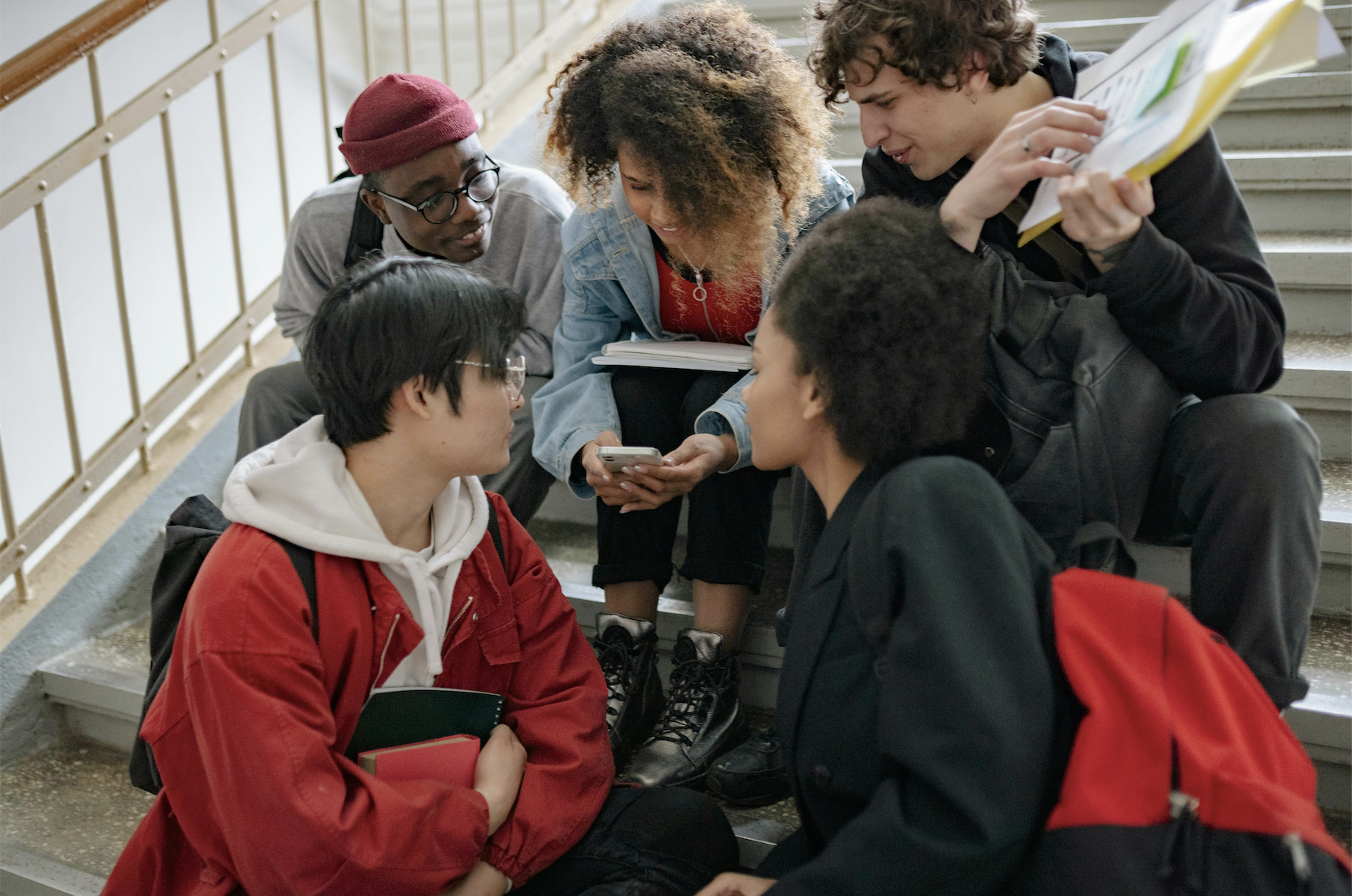
From answering questions in seconds to guiding students through complex administrative processes, these systems enable something that was previously difficult: personalized support at any time of day.
What are virtual assistants in education?
In the educational environment, virtual assistants are systems based on artificial intelligence (such as chatbots or digital co-pilots) designed to interact with students and provide real-time support.
What do they really contribute to institutions?
Beyond the technology itself, its value lies in its direct impact on the student experience:
- Immediate and personalized responses. Students don’t have to wait and can resolve their questions instantly.
- Improved engagement and follow-up. When the institution responds quickly, students feel more supported and connected.
- Reduced operational burden. Academic and administrative teams can reduce repetitive tasks and focus on what matters most.
Where they have the greatest impact today
The most common use cases in the daily operations of many institutions are:
- Usage guides for academic platforms and internal processes
- Automatic reminders for submissions, exams, or important procedures
- Support for frequently asked questions without the need for human intervention
- Additional support through tutoring or academic advising
In all cases, the goal is the same: to make student life easier and the center’s management more efficient.
A change of model, not just a tool
Virtual assistants aren’t meant to replace human attention, but rather to enhance it. They offer continuous support, where students feel there’s always someone—or something—available to help them.
It’s not just about technology. It’s about providing better support.
If you want to optimize student support and reduce your team’s workload, UNIFIT can help you achieve that. Let’s talk?